
Looking for the Best Baofeng Radios to boost your communication game? Discover affordable, reliable walkie talkies that deliver crystal-clear signals, giving you peace of mind during outdoor adventures and emergencies. With expert insights and honest reviews, we promise to guide you to a radio that truly meets your needs. Dive into our expert analysis crafted to solve your communication challenges and enjoy powerfully simple choices for every scenario. Let’s explore your perfect radio match.
5 Tablet for Photo & Video Editing:
1. iPad Pro (M4) – Best Tablet for Photo & Video Editing Overall

If you love photo editing, and are in the market for a new device, the new iPad Pro (M4) could be your perfect partner. About the price of a MacBook Air, you will get amazing performance with Apple’s M4 processor, and it even competes with some previous MacBook Pro models. What differentiates the iPad Pro is its gorgeous Ultra Retina XDR OLED display. This screen ensures when image editors need to edit with confidence as its high contrast ratio of 2,000,000:1 displays the richest colors possible. Whether you’re manipulating huge RAW files or getting in there and pushing pixels, the visual clarity is absolutely incomparable with any other tablet. And that ProMotion 120Hz refresh rate makes your creative process that much smoother, especially if you draw with the Apple Pencil. Sleek hovering capabilities allow your stylus to hover over the screen, providing a new level of precision and control while editing and sketching.
Users would love how well the device can do multitasking that enables them to make real-time edits even with 4K videos. Whether you choose the 8GB of RAM on the base models or a whopping 16GB at the high end, you’ll experience very little lag, so it makes for a powerful device for any serious editor. The iPad Pro finally has the kind of camera system it deserves, along with a wide-angle and ultra-wide lens. While it doesn’t replace top-tier smartphone cameras, it has some of the best photography features you can get on a tablet. So if you’re willing to take your editing workflow to the next level, the iPad Pro (M4) could serve you well.
2. Microsoft Surface Pro 7 – Best Windows Tablet for Photo & Video Editing

Meet the new Microsoft Surface Pro 7, the perfect mix of power and portability. Its 10th-generation Intel Core processor (in i3, i5 or i7 configurations) means you can run full versions of important software like Photoshop or any photo editor that exists on Windows. This device has a beautiful 12.3-inch PixelSense touch-screen display with an impressive resolution of 2,736 x 1,824 so you know your pictures will look good on screen. And it works with the Surface Pen so you can easily draw, edit and add a personal touch to your pictures with precision. And if you need a productivity boost, get the Microsoft Signature Type Cover, which turns the Surface Pro 7 into a true laptop replacement, complete with a handy kickstand.
The Surface Pro 7: More from the Pro you know The ultra-light and versatile of our fastest, most powerful Surface yet. notamment Wi-Fi 6 et Bluetooth 5 realign your processing power. Its USB-C and USB-A ports make it convenient to plug into external displays and accessories. Lightweight and slim for use in the on-the-go convenience. Up to 10.5 hours of battery life will keep you fueled and ready to power through your day, and you also have the option to charge up rapidly – 80% in just over an hour. Not to mention this bad boy is ready for a free upgrade to Windows 11, so you can’t get smarter than that for your tech needs!
3. SAMSUNG Galaxy Tab S7+ – Best Android Tablet for Photo & Video Editing

Take notes lovelies, meet one of our favourites, the Samsung Galaxy Tab S7+! This powerhouse tablet features a epic 12.4-inch Super AMOLED touchscreen, which is ideal for editing photos with outstanding precision and enjoying all of your favorite content. The included S Pen makes it easier than ever to create beautiful images and jot down creative thoughts. While it isn’t the most powerful on the market, the Galaxy Tab S7+ features a Snapdragon 865+ chipset powerful enough to run just about any Android photo editing app you throw at it. Opt for 8GB of RAM and up to 512GB of internal storage. Take more of what you love with its dual 13 MP and 5MP ultra-wide rear cameras, and capture the perfect selfie on its 8 MP front camera.
The 2-in-1 that’s your all-in-one, Instantly transform your Android tablet into a PC desktop experience when you attach the keyboard with built-in trackpad. Ideal for multitasking, The 2-in-1 Galaxy Tab S5e tablet/keyboard combo features a dex mode that lets you open multiple windows at once with just a click, up to 20 on the s5e to, convenient for when you want to browse the web, check emails, and work on a document all at once. Experience cinematic entertainment on a large, edge-to-edge screen and AKG quad speakers with Dolby Atmos support for premium sound. What’s more, you can easily recharge your re Markable on the go with fast charging through USB-C and benefit from hours of continuous use. You can easily stay in sync on multiple devices with One UI 3.1 and a reliable fingerprint scanner keeps sensitive information secure. Experience creativity uninterrupted with the Galaxy Tab S7+.
4. Apple iPad (10th Generation) – Best Cheap Tablet for Photo & Video Editing
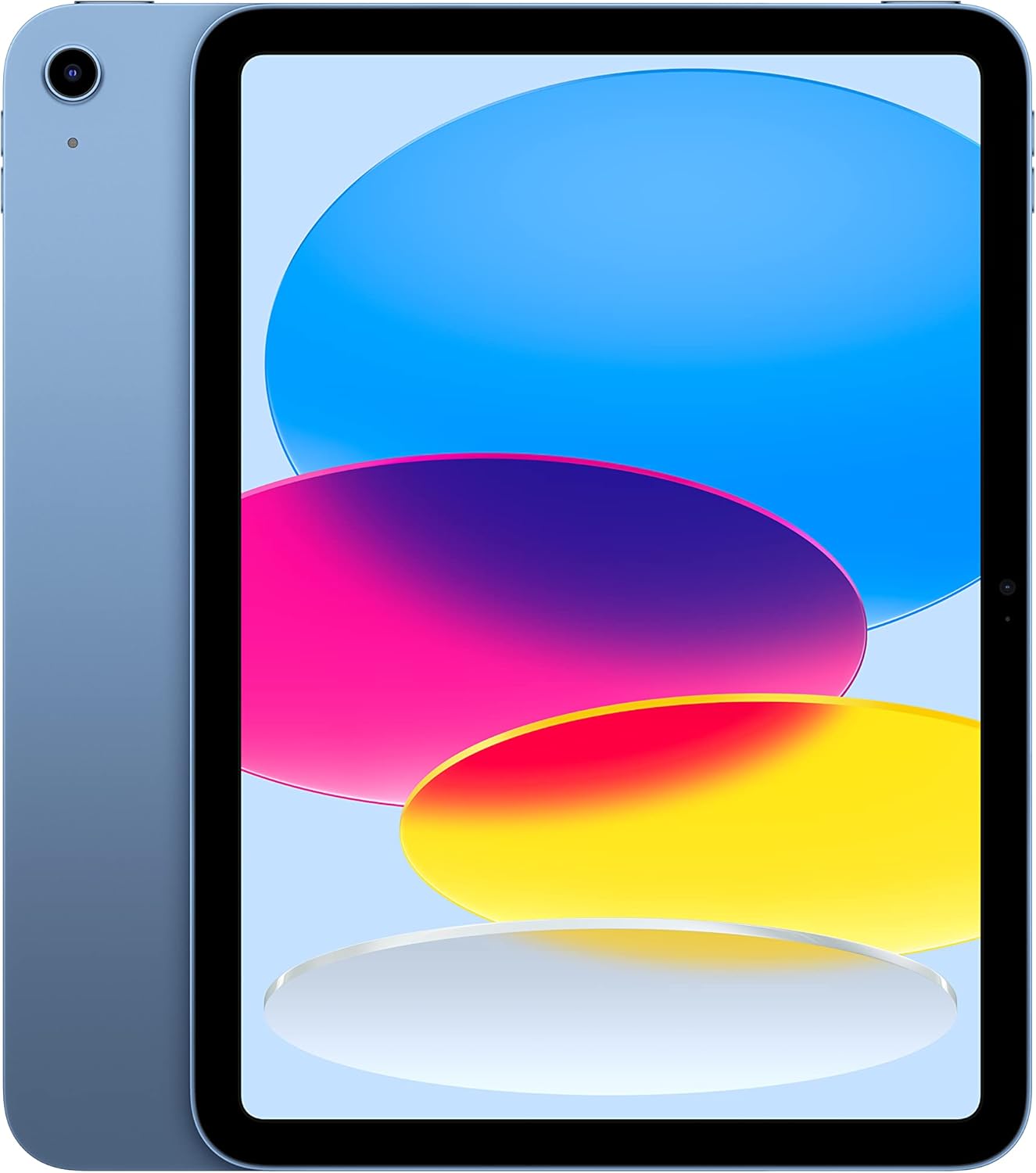
This tablet is flush with a 10.9-inch Liquid Retina display that brings images to life. You’ll also love the A14 Bionic chip that blows through even the most demanding tasks with ease. Multitasking on iPadOS is a joy. Do more, faster; with macOS Mojave, you can also use multiple apps at the same time and view all your open apps in the overview screen.Use your voice to send messages, set reminders and more. It is comfortable whether you are sketching or making finishing touches on your latest project. With its Wi-Fi 6 connectivity, it’s connected connection to lightning-fast uploads and easy streaming. Never again will you have lag while you work!
One of my favorite features? The advanced cameras. The 12MP Ultra Wide front camera is ideal for amazing selfies, while the 12MP Wide back camera is perfect for capturing 4K video or photos. Editing right on the device is magic. The battery life lasts all day, so you’re never going to feel shackled when inspiration strikes. Downside: The Magic Keyboard Folio accessory is not included. Consider it an opportunity to tailor your system to your requirements.
5. Microsoft Surface Go 3 – Best Budget Tablet for Photo & Video Editing
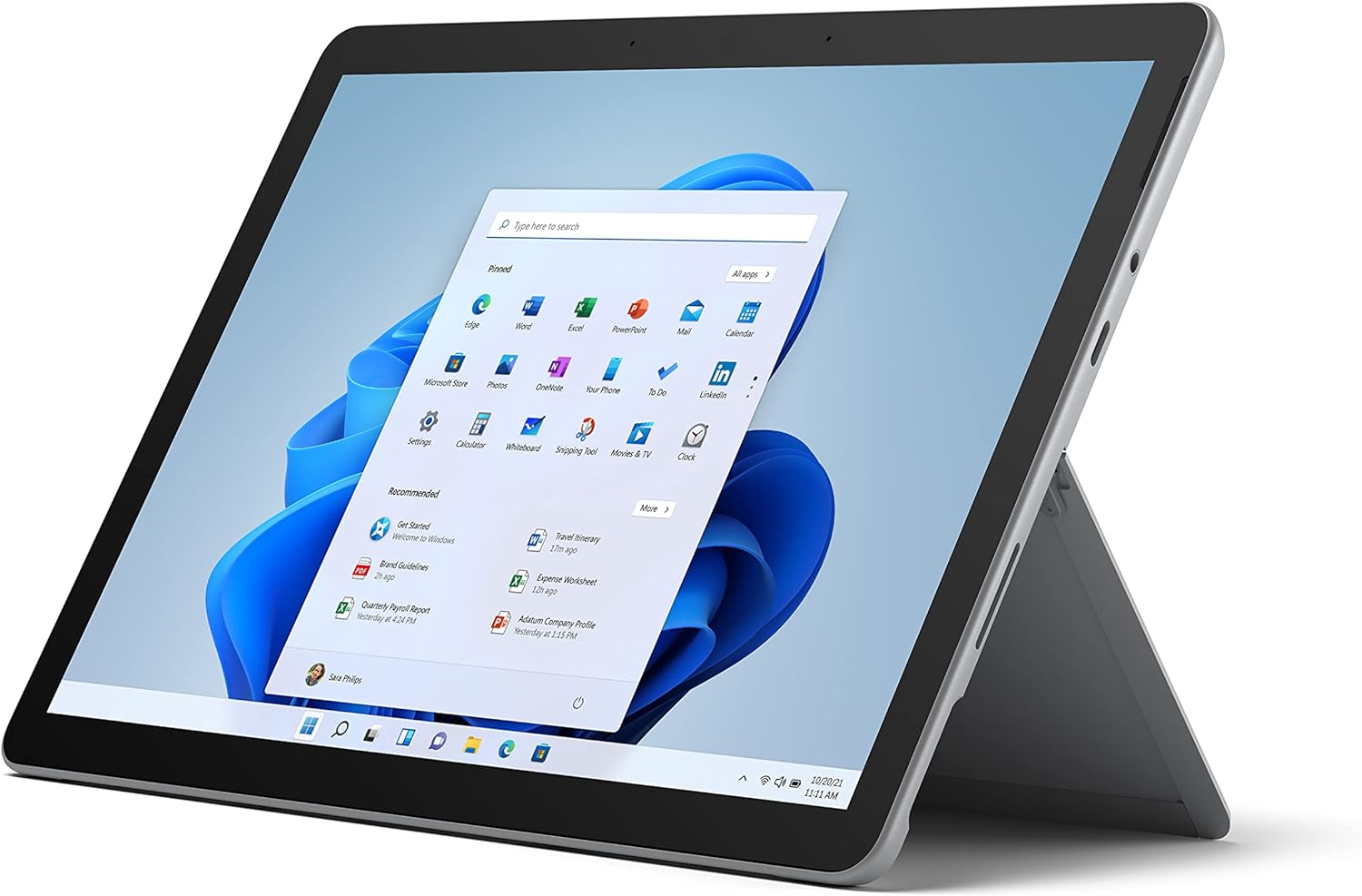
When we seek out for the best tablet for video editing, there are three key factors we’re looking at: Price, Performance, and Portability. The Surface Go 3 does all of these, and that’s another reason why it’s ideal for novices all the way through pros when it comes to video editing. As a lightweight device it is easy to carry in your backpack or tote without compromising on durability and build quality. Cheapest among Microsoft’s growing stable of hybrid devices, the Surface Go 3 is a surprise to use. In our testing, we found its 10.5-inch display to be really bright, something that will be especially helpful when editing video.
It may not pack as much punch as top-tier options like the iPad Pro, but it’s a reliable go-to for everyday productivity. It also breezes right through lighter software such as TechSmith Camtasia, so it will work for a wide range of editing requirements It runs lighter software such as TechSmith Camtasia effectively, so it is good for different editing needs. Keep in mind, though, that useful peripherals (and how-to book substitutes) like the Surface Pen and Type Cover need to be added to your order separately. For a fully rounded experience to make the most of what the Surface Go 3 can do, consider these extras to really elevate your editing journey. When you are recording memories and making masterpieces, you need action-packed performance and quality.
How to Choose the Right Tablet for Photo & Video Editing
You want to elevate your photo and video editing skills, and choosing the right tablet can make all the difference. With so many options available, it can be overwhelming to determine which features matter most for your creative needs. In this guide, you’ll discover key aspects to consider, including screen quality, processing power, and software compatibility, ensuring you select a tablet that enhances your artistic workflow and helps you achieve professional results.
Unpacking Core Specifications: What Matters Most
Understanding the core specifications of a tablet can make or break your photo and video editing experience. You’ll want to focus on display quality, processing power, storage solutions, and battery life. Each of these aspects plays a critical role in how efficiently you can edit, render, and manage your media. By narrowing down these specifications, you can select a device that aligns perfectly with your editing needs.
Display Quality: Resolution and Color Accuracy
A high-resolution display with excellent color accuracy is non-negotiable for photo and video editing. Look for at least a Full HD (1920×1080) screen, but 4K resolution is preferred to provide the crisp detail necessary for precise edits. Additionally, ensure the tablet’s display covers a wide color gamut, such as Adobe RGB or DCI-P3, to achieve accurate color representation in your projects.
Processing Power: CPU and GPU Considerations
For seamless editing, the processor and graphics capabilities of your tablet should meet specific demands. Opt for a tablet equipped with a multi-core CPU and a dedicated GPU, as these components will efficiently handle resource-intensive applications like Adobe Photoshop or Final Cut Pro.
A powerful CPU, like Apple’s M1 chip or Qualcomm Snapdragon series, ensures fast rendering and smooth multitasking, while a robust GPU accelerates visual processing, making effects and transitions run smoother. This becomes especially vital when working with 4K videos or high-resolution images, where editing can put a strain on system resources. Ensure that the combination of CPU and GPU can effectively handle your editing software’s requirements for a more productive workflow.
Storage Solutions: SSD vs. Cloud Options
Choosing between SSD and cloud storage can significantly impact your editing process. Solid State Drives (SSD) offer rapid access speeds and reliability, making them ideal for storing large media files directly on your device. However, cloud storage provides convenience and accessibility, allowing you to work from anywhere and easily share files with collaborators.
SSDs generally provide superior performance, enabling faster file transfers and quicker application launches, which is crucial when working with large video projects or high-resolution images. However, integrating cloud storage into your workflow can serve as a backup solution, freeing up local space and providing access across devices. Often, the best approach combines both: use SSD for immediate editing tasks while utilizing cloud options for backup and collaboration needs. This way, you maintain efficiency without compromising data security or accessibility.
The Great Format Debate: Selecting the Right Operating System
Your decision on the operating system can significantly influence your photo and video editing experience. Each platform offers unique features that cater to various editing styles and workflows. Understanding these differences will help you choose a tablet that not only meets your editing needs but also enhances your creative output.
iOS vs. Android: Which is Better for Creatives?
If you’re a creative professional, choosing between iOS and Android involves assessing the app ecosystems and performance capabilities. iOS generally boasts a more refined selection of high-quality editing apps such as Adobe Lightroom and Affinity Photo, optimized for performance. On the other hand, Android offers more variety in hardware choices and affordability, which may appeal to users on a budget.
Windows Tablets: Pros and Cons for Video Editing
Windows tablets bring a robust set of features for video editing, making them a reliable option for serious creatives. The compatibility with professional software like Adobe Premiere Pro and DaVinci Resolve means you have access to industry-standard tools. However, performance can vary based on the hardware specifications, and some models may fall short for demanding video projects.
Pros and Cons of Windows Tablets for Video Editing
| Pros | Cons |
|---|---|
| Compatibility with professional software | Varying performance based on model |
| More storage options available | Battery life can be less than ideal |
| Full desktop experience | Heavier and bulkier than other tablets |
| Versatile for multitasking and productivity | May require additional accessories |
| Better support for external monitors | Price can be higher for premium models |
Examining the pros and cons, Windows tablets excel in providing a desktop-like experience while running high-end editing software. Their compatibility with a range of peripherals enhances productivity. However, be prepared for potential limitations related to battery life and weight, particularly if you’re considering a more powerful model. Careful evaluation of specifications and features can condition your selection towards a model that fits your editing workflow seamlessly.
The Accessory Advantage: Enhancing Your Editing Experience
Accessories play a pivotal role in elevating your tablet photo and video editing experience. Investing in high-quality peripherals not only enhances your workflow but also significantly improves your productivity. From external storage solutions to specialized editing tools, the right accessories can streamline your process, allowing you to focus on creativity rather than technical limitations.
Must-Have Accessories for Photo and Video Editing
Consider adding a few crucial accessories to your toolkit, such as external storage drives, portable lighting setups, and screen protectors. A high-quality external hard drive enables you to manage large files without slowing down your device, while portable lighting can dramatically enhance the quality of your video shoots. Additionally, a reliable screen protector ensures that your tablet remains in pristine condition, safeguarding it from scratches and smudges during intensive editing sessions.
How a Stylus Can Transform Your Workflow
A stylus can revolutionize your editing process by providing precision and control that touch inputs simply cannot match. With pressure sensitivity, you can achieve nuanced edits, enhancing details in your photos or allowing for smooth brush strokes in your video projects. This level of control helps eliminate frustration and can save you significant time, making detailed adjustments more intuitive and enjoyable.
For instance, many designers and videographers have found that using a stylus leads to quicker retouching, as it simulates the natural feel of drawing or painting. The added tactile feedback helps you fine-tune your work without the inaccuracies often experienced with finger taps. Applications like Adobe Fresco and Procreate have embraced stylus functionality, making your editing process not just effective but also incredibly immersive. Utilizing a stylus ultimately transforms the way you interact with your tablet, making it an indispensable tool for serious editors.
Budgeting for Your Creative Tools: Finding Value in Price Ranges
Assessing your budget is vital when selecting a tablet for photo and video editing. Price ranges can significantly vary, from entry-level models around $300 to premium tablets exceeding $1,500. You should evaluate your unique needs against what you can afford to ensure you’re not overspending or compromising quality. Look for features and specifications that meet your performance criteria, and consider financing options or refurbished models for high-quality gear that fits within your financial plan.
High-End vs. Mid-Range: Costs vs. Benefits
Investing in a high-end tablet often brings advantages like superior processing power, advanced display technology, and extended software capabilities. The difference in performance can justify the price jump, particularly for professional work. Mid-range tablets, while less powerful, can still deliver excellent results for hobbyists and semi-pros without breaking the bank. You need to determine where the balanced intersection of cost and performance best meets your creative demands.
The Impact of Warranty and Support on Long-Term Costs
A robust warranty can save you money in the long run by covering potential repair or replacement costs, which is especially valuable for high-use devices like tablets intended for editing. Many manufacturers offer support services that enhance your productivity, ensuring you’re not left stranded with technical issues. Investing in a tablet with a solid warranty and responsive customer support can mitigate unforeseen expenses and extend the device’s lifespan.
Without adequate warranty and support, you could face hefty repair bills or extended downtimes that disrupt your workflow, costing you both time and money. For instance, a premium tablet might come with a three-year warranty, ensuring coverage for critical components like the display and processor. This not only reinforces confidence in your purchase but also allows you to focus on creativity rather than worrying about potential failures. Consider warranty terms and customer service experiences when evaluating total ownership costs, as an effective support system can offset the initial high investment of your chosen device.
Real-World Performance: Insights from Professional Editors
Professional editors have shared valuable insights on how well different tablets hold up during intense projects. Many have reported that while high-resolution graphics and heavy video files can be demanding, premium tablets equipped with robust processors and ample RAM manage these tasks smoothly. For instance, top contenders often deliver real-time playback and quick rendering times, allowing you to maintain workflow efficiency, which is imperative in tight deadline scenarios.
Case Examples: How Different Tablets Hold Up Under Pressure
Distinct tablets showcase varying capabilities under pressure, with some outperforming others in editing tasks. The iPad Pro, with its M1 chip, is frequently lauded for its impressive speed, even with 4K video files, while devices like the Microsoft Surface Pro 8 show commendable multitasking abilities despite having less processing power. Editors working across platforms often find that certain models excel in specific scenarios, highlighting the need for thorough testing based on your editing style.
User Reviews: Learning from the Editing Community
User feedback from the editing community provides critical insights into the performance of tablets during real-world applications. Enthusiasts and professionals alike share their experiences, revealing which devices excel in rendering times, app compatibility, and ease of use. Delving into user reviews can unveil specific strengths and weaknesses of each tablet. For example, many users praise the flexibility of the Samsung Galaxy Tab S8 Ultra for its expandable storage and superior display quality. In contrast, the Adobe editing app’s performance on certain tablets might lead users to avoid those options. This collective knowledge from peers can guide you in making an informed choice that best aligns with your editing needs and workflow preferences.
Conclusion
Now that you understand the key factors in selecting the right tablet for photo and video editing, you can make a more informed decision. Focus on processor speed, RAM, display quality, and compatibility with editing software that fits your workflow. Think about your storage needs and battery life, as these will directly impact your editing experience. By weighing these elements against your personal needs and budget, you’ll be well-equipped to choose a tablet that enhances your creativity and productivity.
Leave a Reply