
It shouldn’t be hard to get the right audiophile headphones. You should be able to hear every clear sound and deep bass note in your favorite songs. Stop putting up with sound that makes your music sound bad. We tested the best models to give you amazing sound quality and absolute comfort. Find out what the “ultimate listening experience” is by looking at our top options for every budget. Let’s find the sound that works best for you.
Top 10 Audiophile Headphones:
1. Sennheiser HD 800 S – Best Audiophile Headphone Overall
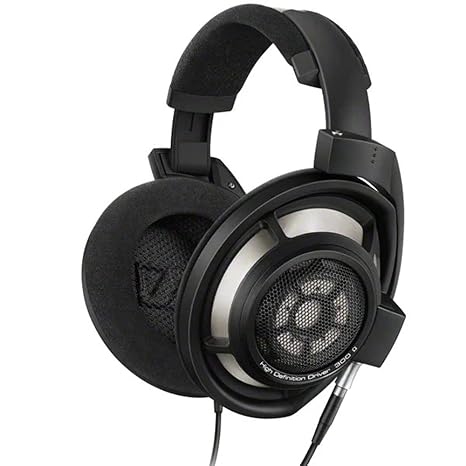
This open-back reference set is like a music microscope if you want “hear the room” realism. The big 56mm ring-radiator transducer moves a lot of air without being floppy, so transients impact quickly and clearly. The drivers are set at the right angle to send sound to your ears more naturally. This makes a large, speaker-like soundstage where instruments don’t have to struggle for the same square inch. The chassis dampens vibrations, and the transducers are closely tested and calibrated to maintain the presentation stable and constant. There is also a proprietary frequency absorber that is said to cut down on resonances that can mask little features. The ultra-soft microfiber cushioning and earcups that move to fit your skull make these headphones very comfortable. The only thing that hurts is learning that your old headphones were lying to you.
2. Focal Clear Mg – Best High-End Headphone

This open-back high-fidelity pick is made for people who prefer a wide stage and comfort without having to bend their heads into a clamp test. The honeycomb grille is meant to keep the sound open, while the perforated microfibre earpads are meant to let the soundstage last longer. The speaker driver has a “M”-shaped magnesium dome. The description talks about how magnesium is light and dampens sound to give great dynamics and detail over the whole range while maintaining the sound signature neutral and balanced. The “M”-shaped grille that follows the driver’s curve is also meant to make high-frequency sounds sound better. It has a low impedance of 55 ohms, thus it should work well even with portable players. Bottom line: you get huge, airy sound, high-quality materials, and the kind of comfort that makes you say, “Oops, I listened for three hours.”
3. Shure Aonic 50 Gen 2 – Best Wireless Audiophile Headphone

This is the “audiophile, but make it wireless” option, and it doesn’t come empty-handed. It has custom-built 50mm dynamic drivers that give you studio-quality sound, and hybrid active noise canceling that blocks out distractions without ruining the mood. There is also spatialized audio with three modes: Music, Cinema, or Podcast. This uses a proprietary algorithm to make the soundstage bigger. The battery lasts up to 45 hours, and a 15-minute quick charge gives you around 5 hours of use. You may change the EQ settings with presets or your own curve using the ShurePlus PLAY app (which saves them to the headphones). The beamforming mics and automatic gain control also make calls sound better. Bluetooth 5 lets you go wireless (Class 1 range up to 100 m), or you may connect with a 3.5mm or USB-C cable.
4. Sennheiser HD 660S2 – Best for Deep Bass Extension

This open-back over-ear variant is calibrated to give you a more refined bottom end without turning into a muddy puddle. If you prefer your bass deep but your detail deeper, this is the one for you. The transducer is 42 mm wide and has a very light 300-ohm aluminum voice coil. This is supposed to make the sound respond faster and be crisper. The description talks about better airflow and diffusion to make the soundstage bigger, so instruments feel like they are placed instead than packed on top of each other. The build quality is really “premium black.” The drivers are protected by a steel mesh, and you can take the cable out if you wish to change settings. It comes with both a 6.3mm cable and a 4.4mm balanced connection, which is handy if you switch between desktop gear and balanced sources. In general, it’s for people who seek punch, separation, and that wonderful “I can hear the mix breathe” moment.
5. Sennheiser HD 560S – Best for Neutral Frequency Response

This open-back audiophile pair is all about tuning that says, “Tell the truth, the whole truth, and nothing but the truth.” The angled transducers (E.A.R. technology) are set up to make a wide, clear soundstage, and the open-back design is supposed to let sound travel naturally. In other words, you can really see where the guitar is instead of guessing like you’re playing audio bingo. The product description focuses on linear acoustics that are good for long sessions, with smooth bass and a frequency response that stays easy on the ears. It is also marketed as a choice for analytical listeners (and even games) since the wide staging assists with visualization and immersion. Good for long listening sessions, but don’t blame me if you start criticizing bad recordings like a food critic.
6. Sennheiser Consumer Audio IE 200 – Best In-Ear Audiophile Headphones

Want great sound in a little package? The TrueResponse transducer is at the center of this in-ear pair, which is designed for balanced, audiophile-style listening. You may change the bass on the fun party trick by choosing between “impactful” and “analytical” tuning. You can even combine the silicone ear adapters with the foam tips to get the perfect low end. The dual-chamber absorber is made to smooth out the treble by soaking up resonances. This helps keep cymbals clear without making them sound like a hiss festival. It also comes with a braided, removable cable with Fidelity+ MMCX connections and flexible ear hooks to make sure it fits well. With the carry pouch and different tip options, this arrangement is great for travel, comfortable, and surprisingly “serious” for something that fits in your pocket.
7. Sony MDR-M1 – Best Audiophile Headphone for Home and Studio Use
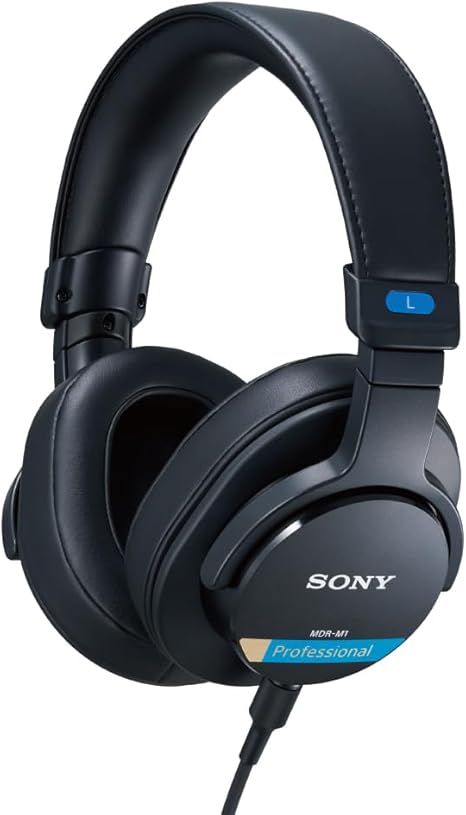
This closed-back monitor is for folks who desire precision more than “extra seasoning.” It has ultra-wideband playback from 5 Hz to 80 kHz, thanks to a specially built driver unit that balances low distortion with precise reproduction from low to high frequencies. The closed acoustic structure focuses on keeping sounds from getting in, which helps you hear details clearly in busy production settings. We worked with engineers from the industry to make the tuning more in line with the artistic goal. This way, what you hear is more like what the mix was attempting to communicate. You also get two detachable cables (1.2 m and 2.5 m), interchangeable ear pads, and a screw-in plug adaptor. To put it another way: real sound, comfortable to use in a studio, and fewer times when you wonder, “Why does my mix fall apart everywhere else?”
8. Sennheiser HD 620S – Best for Premium Stereo Sound

This one tries to give you both closed-back solitude and the impression of being “boxed in.” It is said to provide open, wide listening with noise isolation, making the sound airy and complex even when the back is closed. The “panoramic soundstage” derives from 42mm dynamic transducers with 38mm diaphragms that are oriented to seem like a speaker arrangement. This keeps the bass balanced for concentrated listening. It has an ultra-low distortion and an ultra-lightweight 150-ohm aluminum voice coil to help with quick transients and clean layering. For comfort, it has a steel-reinforced headband slider, fake leather earpads with vents to relieve pressure, and wires that can be removed for easy setup changes. In the end, you get a high-quality, isolate-and-still-feel-wide listen that works for home hi-fi sessions, late-night editing, and “please don’t bother me” workplace listening.
9. Beyerdynamic DT 990 Pro – Best Budget Audiophile Headphone

This open over-ear studio classic is a great way to get into sound that is big and clear. It has a clear, wide sound with powerful bass and treble, which makes it easy to mix, master, and edit. This is helpful when you’re trying to find flaws without having to squint at waveforms like a detective. The open design makes the sound feel more spacious and less “in your head,” which can make it simpler to judge panning and reverb choices. It has a 250-ohm over-ear design, and comfort is very important. The soft, circumaural velour ear cushions can be replaced, and the craftsmanship is said to be strong and long-lasting (manufactured in Germany). A practical plus is that the single-sided 3.0 m coiled cable keeps desk spaghetti to a minimum. It’s not fancy; it’s just honest, comfortable, and ready to work for hours.
10. Sennheiser Consumer Audio HD 650 – Best Hi-Res Open Back Dynamic Headphone

This open-back dynamic classic is designed to have low distortion and fast transients, which means it keeps music clean even when things get busy. A unique kind of acoustic silk is used to dampen sound precisely across the frequency range. It is believed to lower total harmonic distortion to 0.05%. The list also talks about hand-picked, matched driver elements and highly tuned magnet systems that reduce harmonic and intermodulation distortion. It also talks about high-power neodymium magnets that make the system more efficient. Lightweight aluminum voice coils are known for their incredibly fast transient response, which makes attacks feel quick instead than slow. With the lengthy cable and 3.5mm jack socket, it’s easy for fans of high-resolution open-back headphones to set up and listen. Once you hear that smooth layering, “good enough” becomes tougher to deal with.
Audiophile Headphones Buying Guide:
Audiophile headphones aren’t just about hearing music—they’re about feeling it. Whether you’re chasing crystal-clear vocals, deep controlled bass, or a wide soundstage that makes you feel like you’re sitting in a concert hall, choosing the right pair matters. With so many high-end options out there, this buying guide will help you understand what to look for before investing in one of the 10 best audiophile headphones.
Sound Signature Matters More Than Price
Every audiophile headphone has its own sound personality. Some are neutral and balanced, ideal for critical listening and studio-quality sound. Others lean warm, emphasizing bass and mids for a more musical experience, while some are bright, highlighting treble and fine details.
Before buying, ask yourself:
-
Do you prefer accurate, reference-style sound?
-
Or do you enjoy richer bass and a more “fun” sound?
There’s no universally “best” sound—only what sounds best to you.
Open-Back vs Closed-Back Design
This is one of the most important decisions.
Open-back headphones
-
Wider, more natural soundstage
-
Better detail and imaging
-
Sound leaks in and out
-
Best for quiet rooms and home listening
Closed-back headphones
-
Better noise isolation
-
More punchy bass
-
Less sound leakage
-
Ideal for shared spaces or recording
Most audiophiles prefer open-back headphones for pure sound quality, but closed-back models are more practical in everyday environments.
Comfort Is Non-Negotiable
Audiophile listening sessions often last hours. Even the best-sounding headphones will be useless if they cause discomfort.
Look for:
-
Plush ear pads (memory foam or velour)
-
Adjustable headbands
-
Balanced weight distribution
-
Proper clamping force (not too tight, not too loose)
Comfort is subjective, but well-designed audiophile headphones should feel almost invisible after a while.
Impedance and Power Requirements
Not all headphones are easy to drive. Many audiophile models have high impedance, which means they need more power.
Consider:
-
Low impedance (below 50 ohms): Works with phones and laptops
-
Medium impedance (50–150 ohms): Benefits from a DAC or amp
-
High impedance (150+ ohms): Requires a dedicated headphone amplifier
If you don’t already own a DAC/amp, factor that into your budget.
Wired vs Wireless (Audiophile Perspective)
True audiophile headphones are still mostly wired, and for good reason. Wired connections offer:
-
No compression
-
Zero latency
-
Pure signal integrity
Wireless audiophile headphones exist, but even with advanced codecs, they rarely match the detail and clarity of wired models. If sound quality is your top priority, wired is still king.
Build Quality and Materials
High-end headphones are an investment, so durability matters. Premium models often use:
-
Metal frames
-
Real leather headbands
-
Replaceable cables and ear pads
Replaceable parts are a big plus, as they extend the lifespan of your headphones significantly.
Soundstage and Imaging
Audiophile headphones shine when it comes to soundstage (how wide and spacious music feels) and imaging (how accurately instruments are positioned).
If you enjoy:
-
Live recordings
-
Classical music
-
Jazz or orchestral tracks
Then wide soundstage and precise imaging should be high on your priority list.
Music Genre Compatibility
Different headphones excel at different genres:
-
Classical & Jazz: Neutral tuning, wide soundstage
-
Rock & Metal: Strong mids, controlled bass
-
EDM & Hip-Hop: Deep, clean bass with good sub-bass
-
Vocals & Acoustic: Clear mids and natural tone
Think about what you listen to most, not just what reviewers recommend.
Budget vs Value
Expensive doesn’t always mean better for you. Many mid-range audiophile headphones deliver outstanding performance that rivals much pricier models.
Set a realistic budget and aim for:
-
Best sound quality within your range
-
Comfort and build quality
-
Compatibility with your existing gear
Sometimes spending less—and pairing headphones with a good DAC—gives better results.
Try Before You Fully Commit (If Possible)
If you can:
-
Read multiple user reviews
-
Watch sound demos and comparisons
-
Check return policies
Your ears are unique, and what sounds incredible to one person might not impress another.
Final Thoughts
Choosing from the 10 best audiophile headphones isn’t about chasing specs or brand names—it’s about finding the pair that connects you to your music. Focus on sound signature, comfort, power requirements, and how you’ll actually use them. When you find the right match, every listening session becomes something special.
Leave a Reply